Easy Thanksgiving Charcuterie Board Ideas (Turkey Board and More)
Affiliate disclosure: This article contains affiliate links. If you buy through them, we may earn a small commission at no extra cost to you. As an Amazon Associate I earn from qualifying purchases. Links go to Amazon search results for the product types we mention, not to specific products we have tested.
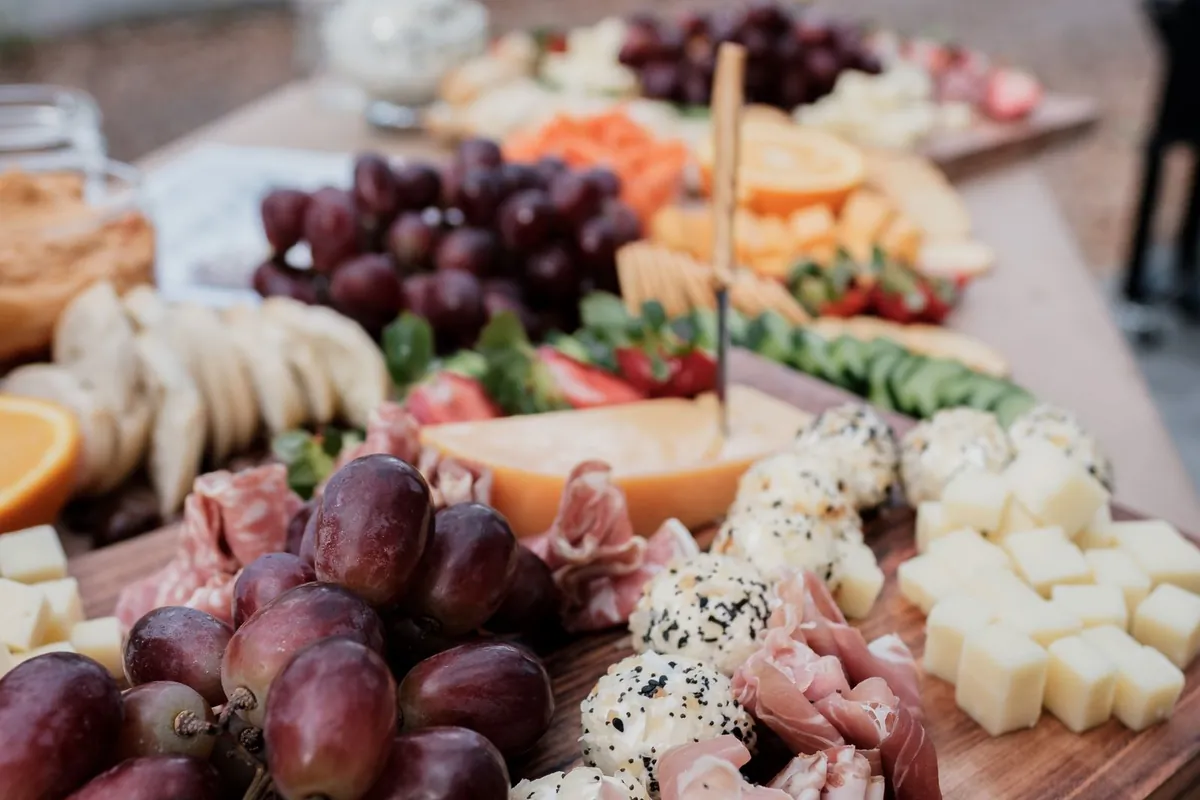
A charcuterie board is one of the easiest ways to feed guests while the turkey finishes. It needs no oven space, most of it can be bought rather than cooked, and it gives early arrivals something to do besides hover in the kitchen. The trick on Thanksgiving is to keep it light enough that nobody fills up before dinner, and festive enough that it looks like it belongs on the table.
Below are easy Thanksgiving charcuterie board ideas, starting with the turkey-shaped board people search for most, then a few simpler themes. After that you'll find a shopping list, a rough guide to quantities, a step-by-step layout and the food-safety basics for a board that sits out during a long afternoon.
Before you start: three decisions
1. Is it a snack or a meal? On Thanksgiving, the board is almost always an appetizer before a heavy dinner. That means smaller portions, more fruit and vegetables, and fewer rich cheeses. At a Friendsgiving potluck where the board *is* half the meal, you can go bigger.
2. What size board? A large cutting board, a wooden serving tray or a clean baking sheet lined with parchment all work. For a crowd, two medium boards at opposite ends of the room move traffic better than one huge board. If guests will be standing and mingling, individual Thanksgiving charcuterie cups are an easy alternative to one shared board.
3. Who's coming? Note any nut allergies, vegetarians and young children before you shop. It's much easier to build a nut-free board from the start than to pick almonds out later.
Thanksgiving charcuterie board ideas
1. The turkey-shaped board
This is the board that gets photographed. The "tail feathers" are fanned rows of food in an arc, and the "body" sits at the bottom center.
- Body: a round of cheese, a small bowl of dip, or a pear lying on its side.
- Head: a smaller round cracker or a slice of cheese above the body, with two peppercorns or tiny pieces of olive for eyes and a sliver of red pepper or a small dried cranberry piece for the wattle.
- Feathers: start at the outside of the arc with the largest items, such as folded salami or crackers, then work inward with rows of cheese cubes, grapes, apple slices, dried apricots and pretzel twists. Alternate colors (red, orange, yellow, brown) so each row reads as a feather.
- Feet: two short pretzel sticks.
Lay the outer row first and work toward the body. If a row looks thin, it's easier to add a second layer of the same item than to squeeze in something new.
2. Fall harvest board
A looser, rustic board built around autumn produce: sliced pears and apples, grapes, figs (fresh or dried), pomegranate seeds, roasted pecans or walnuts, a wedge of aged cheddar, a soft cheese like brie, a hard cheese like Gouda, and a small bowl of apple butter or fig jam. Tuck in a few sprigs of rosemary or sage for color. This style needs no planning beyond "group things and fill the gaps."
3. Pumpkin board
Arrange orange foods in a large circle (cheddar cubes, clementine segments, dried apricots, carrot sticks, orange bell pepper strips) and add a "stem" of pretzel rods or a celery stick at the top. Put a small bowl of hummus or ranch dip in the middle. It's an easy board for kids to help build.
4. Cornucopia board
Use a store-bought bread cornucopia or a horn-shaped basket lined with parchment, and let crackers, grapes and cheese "spill" out onto the board. If you can't find a cornucopia, a small wicker basket tipped on its side gives the same effect.
5. Leftover-style "Thanksgiving dinner" board
For a Friendsgiving or the day after, build a board of sliced roast turkey, cranberry sauce, mini rolls, stuffing bites and roasted vegetables. Serve it with small plates and forks, since this is closer to a meal than a snack.
6. Vegetable-forward board
Keep the cheese and meat to one corner and fill the rest with crudités: snap peas, cucumber rounds, cherry tomatoes, radishes, bell peppers and blanched green beans, with two dips. It's lighter before a big dinner and easy for vegetarian guests.
7. Sweet board for dessert
After dinner, set out a smaller board with dark chocolate squares, caramel corn, pecan halves, shortbread, dried fruit, apple slices and a small bowl of caramel dip. It gives guests something to pick at while pie is being sliced.
Shopping list
You don't need every item here. Pick two or three from each group.
Cheeses (mix textures) - One soft cheese: brie, camembert or goat cheese - One firm cheese: aged cheddar, Gouda or Manchego - One crumbly or bold cheese: blue cheese or an aged Parmesan-style cheese - One crowd-pleaser: cheddar or pepper jack cubes
Meats - Salami (sliced or a whole one you slice yourself) - Prosciutto or another thin-sliced ham - Summer sausage or sliced roast turkey for a Thanksgiving nod
Fruit - Grapes, pears, apples, figs, pomegranate, clementines - Dried apricots, cranberries or dates
Crunch - Two kinds of crackers (one plain, one seeded) - Baguette slices or breadsticks - Pretzels - Nuts, if no one is allergic
Spreads and extras - Fig jam, apple butter or cranberry sauce - Honey or mustard - Olives, cornichons or pickled vegetables - Fresh herbs for garnish
Tools - Small cheese knives, a few small bowls for wet items, cocktail picks and napkins - Search cheese knife set or acacia charcuterie board if you need the basics.
How much to buy
There's no exact formula because appetites, guest count and the rest of the menu all change the answer. As a rough starting point, many hosts plan around 2 ounces each of meat and cheese per guest when the board is an appetizer before dinner, and more if the board replaces a meal. Fill the rest with fruit, vegetables and crackers, which are cheaper and lighter.
A few practical rules:
- Fewer types, more of each. Three cheeses in generous amounts look better than seven tiny piles.
- Buy extra crackers. They run out first and are easy to store if unopened.
- Keep a back-up tray. Portion half the food onto the board and keep the rest in the fridge to refill.
How to build the board, step by step
- Place the bowls first. Jam, olives, dips and anything wet go in small bowls spaced across the board. They anchor the layout and keep juice off the crackers.
- Add the cheeses. Space them out. Slice some of each and leave a small wedge whole so the board still looks full after the first round.
- Add the meats. Fold salami into quarters, roll or loosely ruffle prosciutto, and fan sliced sausage in a curve. Place meats near the cheeses they pair with.
- Add the crackers and bread. Fan them in short rows near the soft cheeses. Add crackers just before serving so they stay crisp.
- Fill with fruit. Grapes in small clusters, pear and apple slices fanned out. To slow browning, toss cut apples and pears in a little lemon juice mixed with water.
- Fill the gaps. Nuts, dried fruit and pretzels go in every remaining space.
- Garnish. A few sprigs of rosemary or sage, and a cheese knife by each cheese.
The board can be assembled (without crackers) up to a few hours ahead, wrapped tightly and refrigerated. Take the cheese out a little before guests arrive so it isn't fridge-cold, but keep the overall time out of the fridge within the safe window below.
Food safety for a board that sits out
Thanksgiving boards tend to sit out for hours, which is where problems start. The USDA Food Safety and Inspection Service says perishable food shouldn't be left out of refrigeration for more than 2 hours, or more than 1 hour if the temperature is above 90 °F, and that cold food should be kept at or below 40 °F.
What that means in practice:
- Serve in rounds. Put out half, refill from the fridge, and discard anything perishable that has been out past the limit.
- Use a chilled base. The USDA suggests placing cold food in containers on ice, so set the board over a tray of ice, or chill a marble or slate board before using it.
- Keep the board away from the oven and out of direct sun.
- Give every cheese its own knife and set out picks so guests aren't using fingers.
Make it work for every guest
- Allergies: label nuts and keep them in a bowl rather than scattered. If a guest has a serious nut allergy, leave nuts off entirely and use pumpkin seeds or pretzels for crunch, after checking that they suit the guest.
- Vegetarians: keep meats on one side of the board so the cheese and fruit side stays meat-free.
- Young children: the American Academy of Pediatrics' HealthyChildren.org lists whole grapes, nuts, chunks of cheese and meat sticks among foods that are choking hazards for young children, and suggests cutting round foods like grapes into small pieces. If little ones will be grazing, put together a small kids' plate with quartered grapes and thin cheese slices. Our Thanksgiving kids table ideas cover kid-friendly food and activities for the rest of the meal.
- Pets: keep the board off low coffee tables if a dog is around. Grapes, onions and chocolate are among the foods the ASPCA lists as unsafe for pets.
Where the board fits in your Thanksgiving plan
Build the board after the turkey goes in, so it's ready as guests arrive. Our Thanksgiving hosting checklist has a full make-ahead timeline, and the board slots neatly into the hour before dinner. For the table itself, see our Friendsgiving decor ideas, and if you're weighing up disposable or reusable serving pieces, our guide to paper vs reusable party plates can help. If you want something for guests to do while they snack, try a few Friendsgiving games for adults.
Frequently asked questions
What goes on a Thanksgiving charcuterie board?
A mix of two or three cheeses, one or two cured meats, fall fruit like pears, apples, grapes and figs, crackers or bread, nuts and a sweet spread such as fig jam, apple butter or cranberry sauce. Add a few herbs for color.
How do you make a turkey charcuterie board?
Use a cheese round, small bowl or pear as the body, then fan rows of food above it in an arc to make the tail feathers, alternating colors. Add a small cracker head, peppercorn eyes and pretzel feet.
How far ahead can I make a charcuterie board?
You can assemble most of it a few hours ahead and keep it wrapped in the fridge. Add crackers and bread just before serving so they stay crisp, and keep the time out of the fridge within the USDA's two-hour limit.
How much charcuterie do I need per person?
It depends on the rest of your menu. Many hosts start around 2 ounces each of meat and cheese per guest for an appetizer and fill the board out with fruit, vegetables and crackers.
Can I make a Thanksgiving charcuterie board without meat?
Yes. Use more cheese, roasted nuts, marinated vegetables, hummus, olives and extra fruit. A vegetable-forward board is also lighter before a big dinner.
About the author: This article was researched and written by The Party Ideas Hub Editorial Team. We put together practical, budget-friendly party ideas for ordinary homes, and we follow USDA food-safety guidance for anything served at room temperature. We say clearly when we haven't tried a product ourselves.
Read next: Thanksgiving Hosting Checklist and Make-Ahead Timeline →